Step 1: Start with Workpiece Shape — Shape Determines Machine Type
The first step in machine selection is examining your workpiece: its shape, size, and weight. These fundamental characteristics almost directly determine which machine category is appropriate:
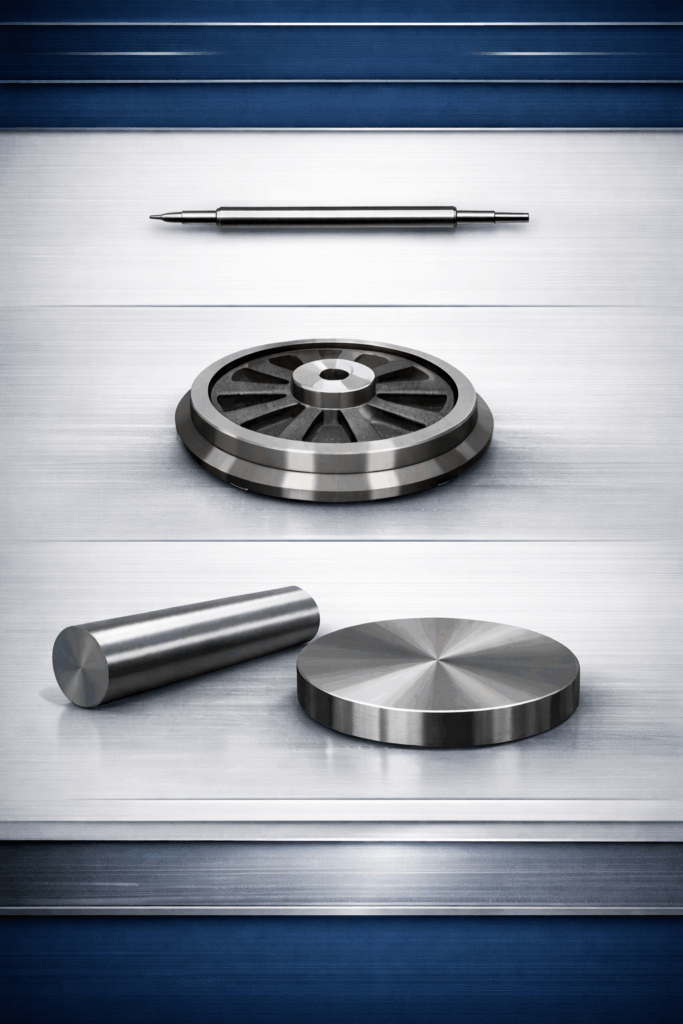
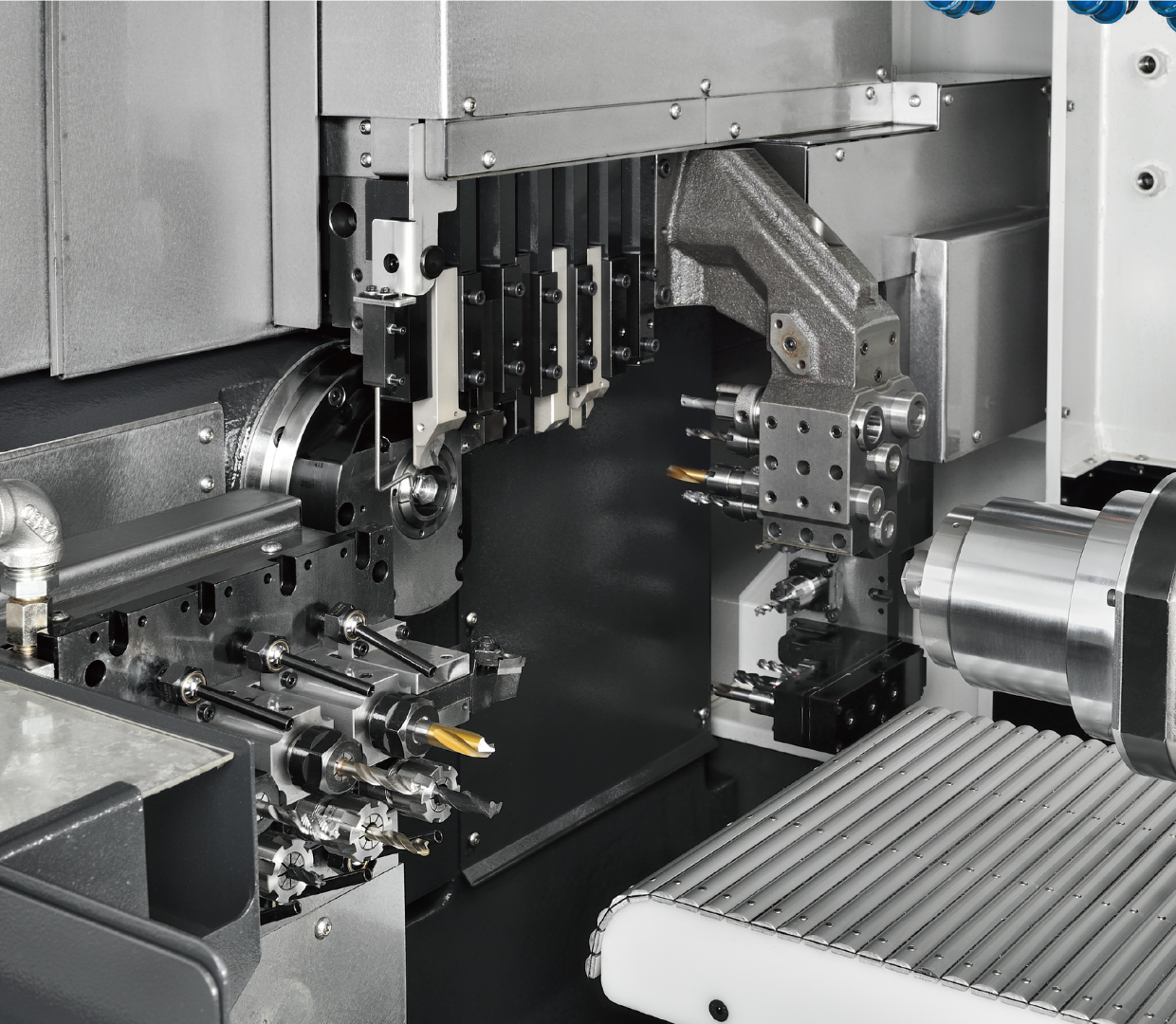
The guide bushing keeps the cutting point fully supported, virtually eliminating vibration — the definitive solution for slender precision parts.
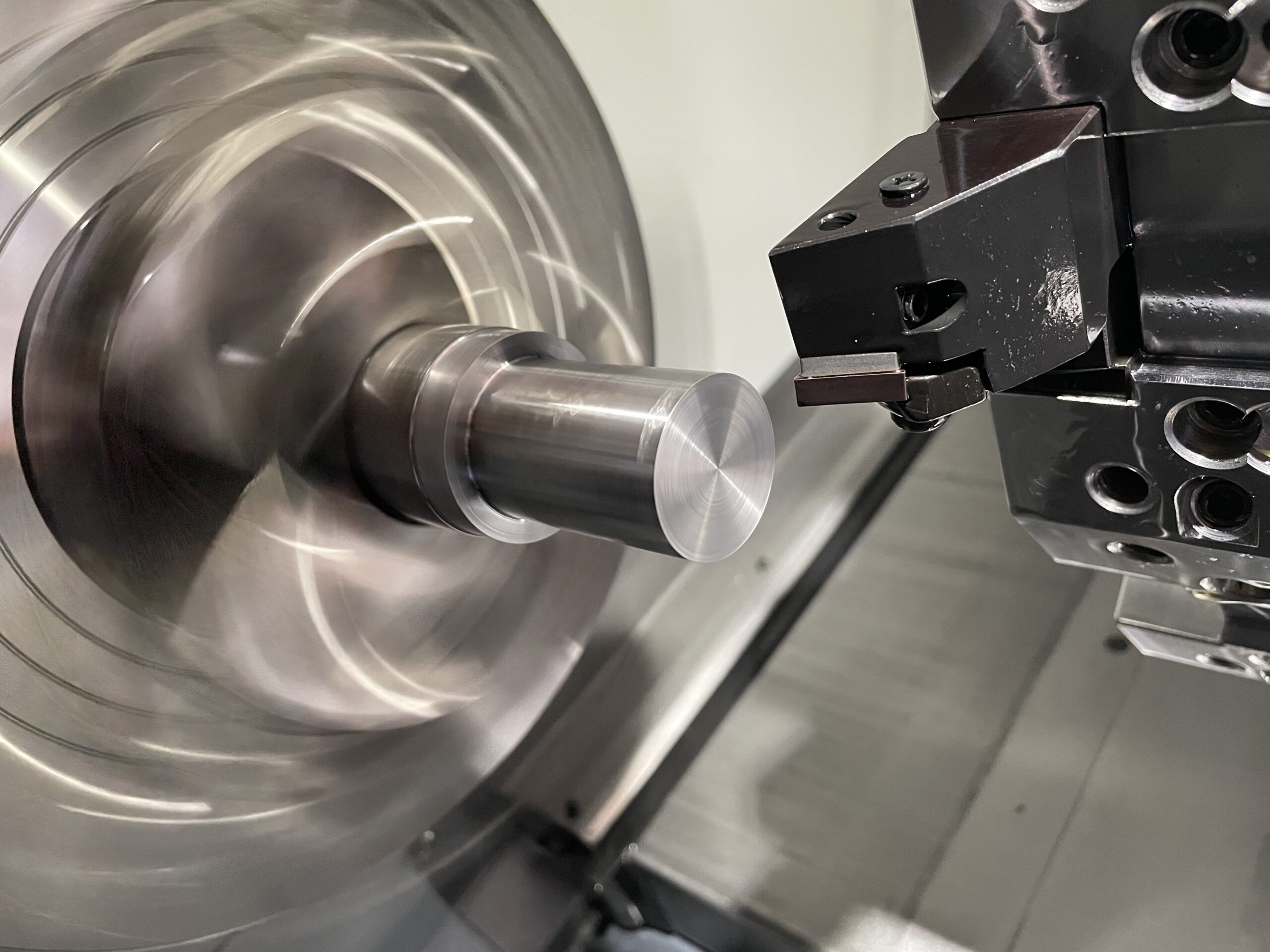
Gravity supports the workpiece directly, providing stable clamping and high roundness accuracy that a horizontal lathe cannot match.
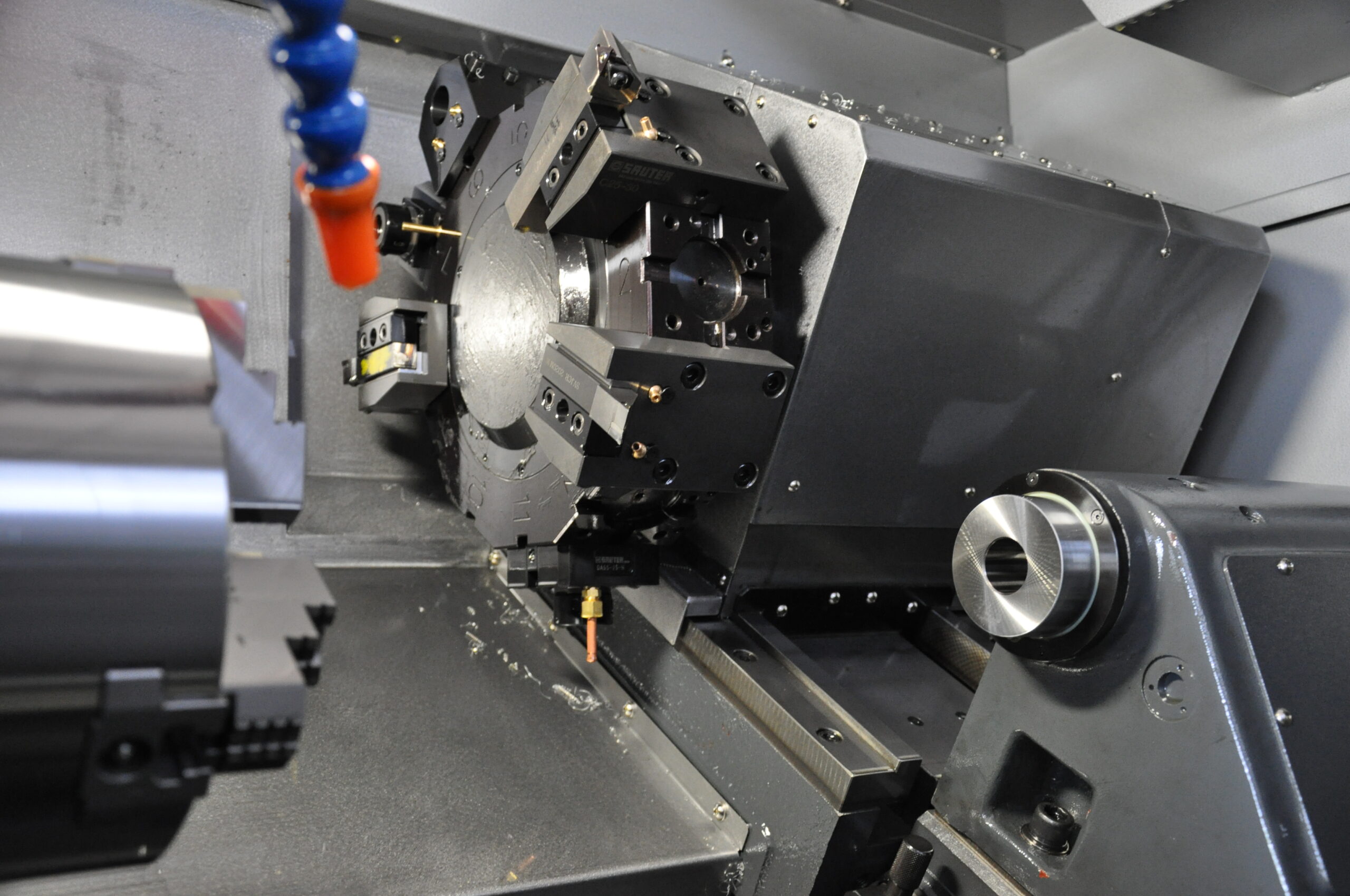
The most versatile choice, suited for 90% of general metalworking requirements.
Step 2: Match Operations to Machine Configuration
Once you've identified the machine category, the next step is reviewing which operations your workpiece requires. Operation complexity directly determines the number of axes and functional configuration needed:
The most cost-effective choice for straightforward operations with no lateral drilling requirements.
Live tooling combined with C-axis indexing completes multi-function turning and milling in a single setup.
The Y-axis allows the tool to move vertically, solving high-complexity milling operations beyond C-axis capability.
Step 3: Production Volume Determines Machine Architecture
The same workpiece can call for completely different machine architectures depending on production volume. Planning your production structure is often more important than selecting a single machine:
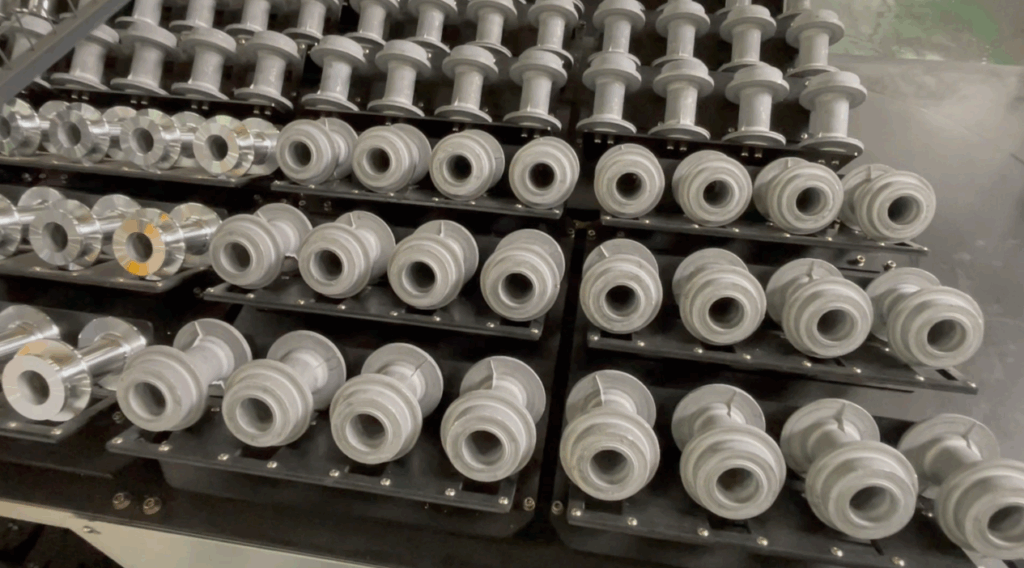
Quick changeover, straightforward programming and tool setting — ideal for contract shops or prototype development.
The sub-spindle automatically picks up the part and machines the reverse side immediately, eliminating manual flipping and greatly improving efficiency.
Upper and lower turrets cut simultaneously, cutting cycle time in half — the ideal platform for automation-integrated mass production.
Step 4: Calculate Total ROI — Hidden Costs Are the Real Factor
Many buyers focus only on the machine's purchase price, overlooking far greater hidden costs. Buying the wrong machine is the most expensive mistake you can make.
Here are the hidden costs most commonly overlooked when the wrong machine is chosen:
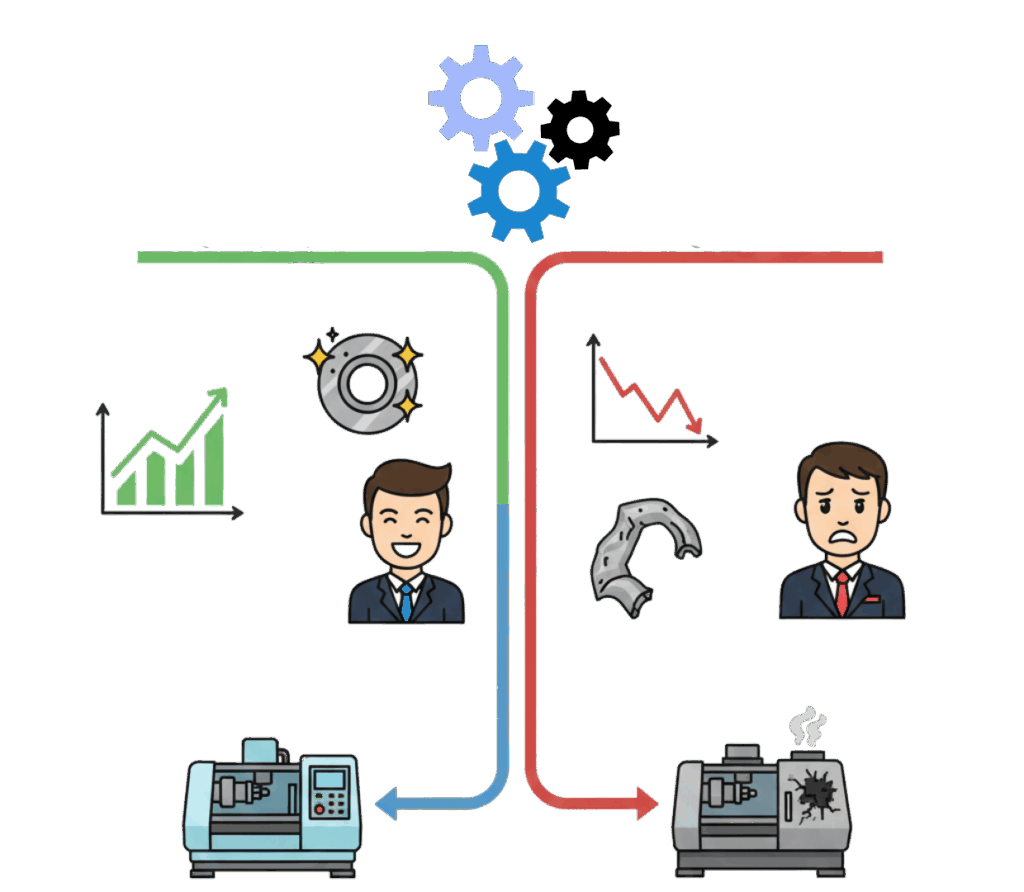
Machine selection is not simply an equipment purchase — it is a long-term productivity investment. Every choice determines whether your production line moves forward or stagnates.
AEGIS CNC's mission is to be the strongest technical partner for every machine user. Facing a wide spectrum of horizontal, vertical, Swiss-type, and turn-mill configurations, you don't have to decide alone — we review your actual drawings and objectively recommend the most suitable solution.