Power Skiving
High-Speed Gear Skiving Technology
A complete precision manufacturing solution integrating turning and gear machining on one machine — from method comparison to integrated process advantages.
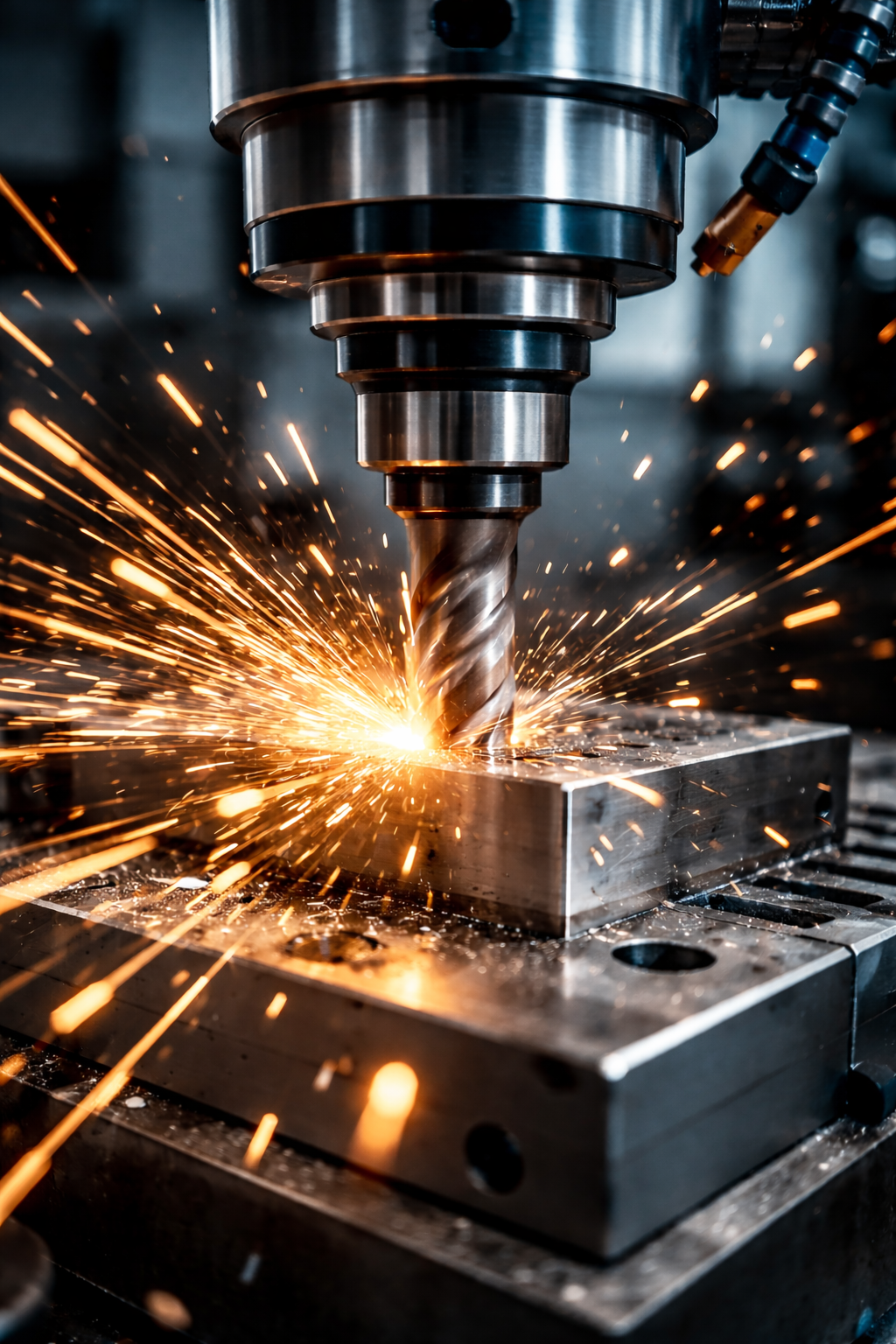
Power Skiving is a gear cutting technology in which the tool spindle and workpiece spindle are set at a specific crossed axis angle (Σ) while maintaining precise synchronous high-speed rotation. The cutting action comes from the combination of the relative sliding velocity (Va) between the two axes and the gear-generating motion, achieving machining efficiency approaching hobbing while retaining the accessibility of shaping. Completing both turning and gear form machining on the same machine fundamentally eliminates datum transfer errors caused by process changeover.
Traditional Gear Machining Method Comparison & Process Bottlenecks
Gear machining is the core step in drivetrain manufacturing; precision and efficiency directly determine a part's market competitiveness. The four mainstream methods have each had their role, but when faced with modern "low-volume, high-mix, high-precision integrated" production demands, all have gradually revealed clear process limitations.
| Method | Key Advantages | Process Limitations |
|---|---|---|
| Hobbing | ◆ High efficiency for external gear mass production ◆ Reasonable tooling cost ◆ Mature process technology |
✗ Cannot machine internal gears ✗ Many interference zone restrictions ✗ Requires sufficient tool exit clearance |
| Shaping | ◆ Can machine internal gears ◆ Suitable for stepped gears ◆ Lower tool exit clearance requirement |
✗ Reciprocating motion is inefficient ✗ Slow machining speed ✗ Not suitable for high-speed batch production |
| Milling | ◆ High equipment versatility ◆ Suitable for large gears ◆ Good changeover flexibility |
✗ Large cumulative error from indexing ✗ Gear surface roughness difficult to control ✗ Lowest efficiency |
| Broaching | ◆ Extremely high throughput and precision ◆ Excellent gear surface finish ◆ Suitable for ultra-high-volume production |
✗ Extremely expensive tooling ✗ Cannot machine stepped gears ✗ Almost no changeover flexibility |
The core problem with traditional processes is not just the limitations of individual methods, but process separation itself. Gear machining and turning are typically done on separate machines, involving transfer, re-clamping, and datum re-establishment between operations — each step is a source of datum transfer error. For parts requiring high concentricity, clamping error often directly determines the upper limit of final achievable accuracy.
Power Skiving Technical Principle Analysis
The core principle of Power Skiving is setting the tool spindle and workpiece spindle at a specific "Crossed Axis Angle (Σ ≈ 10–30°)" while maintaining precise synchronous high-speed rotation. The cutting action comes from the combination of the relative sliding velocity (Va) between the two axes and the gear-generating motion, allowing the tool to progressively cut the tooth profile while rotating.
Compared to traditional methods, Power Skiving offers two fundamental breakthroughs:
- Breaking Machining Boundaries: Lower tool entry/exit clearance requirements enable internal gears, external gears, and gear profiles adjacent to stepped shoulders to all be machined on the same machine — precisely the bottleneck that hobbing has long been unable to overcome.
- Combining Speed and Flexibility: Continuous rotational cutting delivers machining speed significantly higher than shaping's reciprocating motion, with efficiency advantages especially prominent in batch production.
Three Key Advantages of Integrated Turning & Skiving
Integrating turning and Skiving gear form machining on a single machine delivers not just physical consolidation, but three critical process-level breakthroughs. These advantages are determined by the technology itself and are the most essential criteria when evaluating an integrated turning-and-skiving solution.
Key Application Industries & Typical Parts
The advantages of integrated turning-and-skiving technology are most pronounced on the following parts with stringent concentricity and precision requirements:
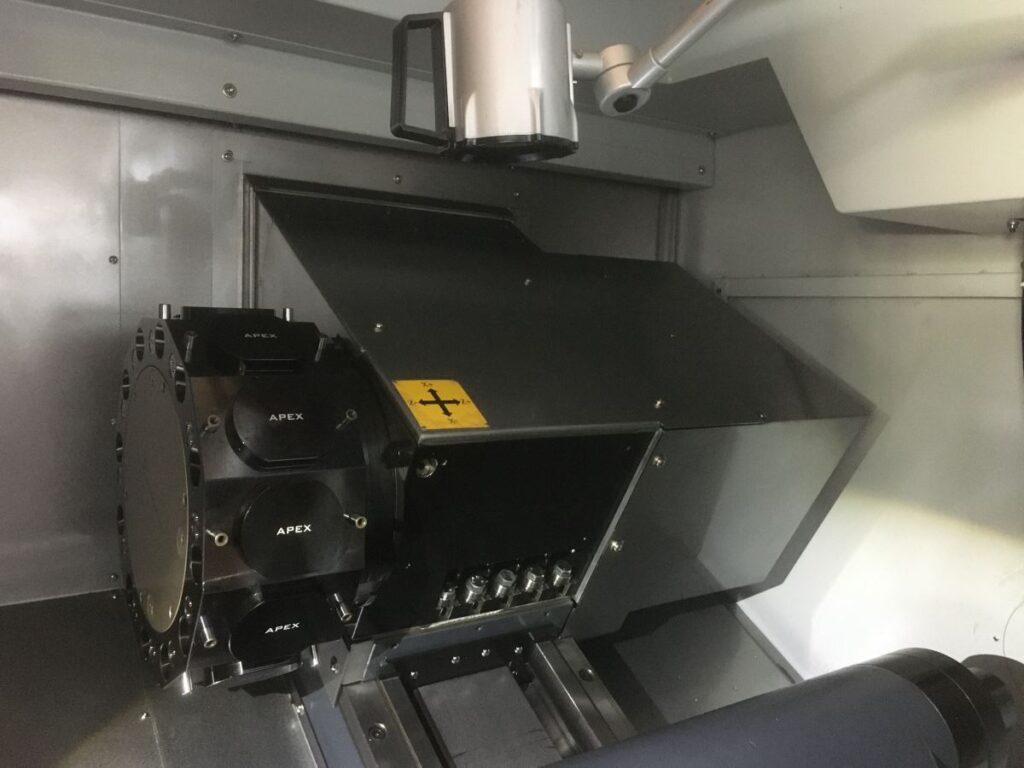
Learn About the FTC-10GS Integrated Turning & Gear Skiving Machine
If your production line faces inconsistent gear machining accuracy, time-consuming setup changes, or existing equipment that cannot machine internal gears, the AEGIS FTC-10GS provides a complete single-machine solution from turning to gear profile. Contact our sales team, describe your part requirements, and we will provide machine selection consultation and machining feasibility evaluation.