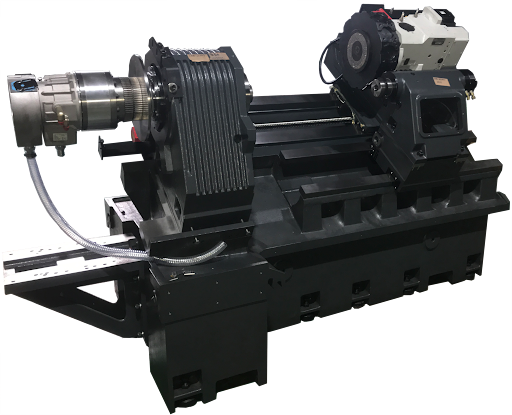
Two Core Functions of Coolant / Cutting Fluid
The two most critical functions of coolant are "cooling" and "lubrication" — both are essential, but each takes priority in different machining scenarios:
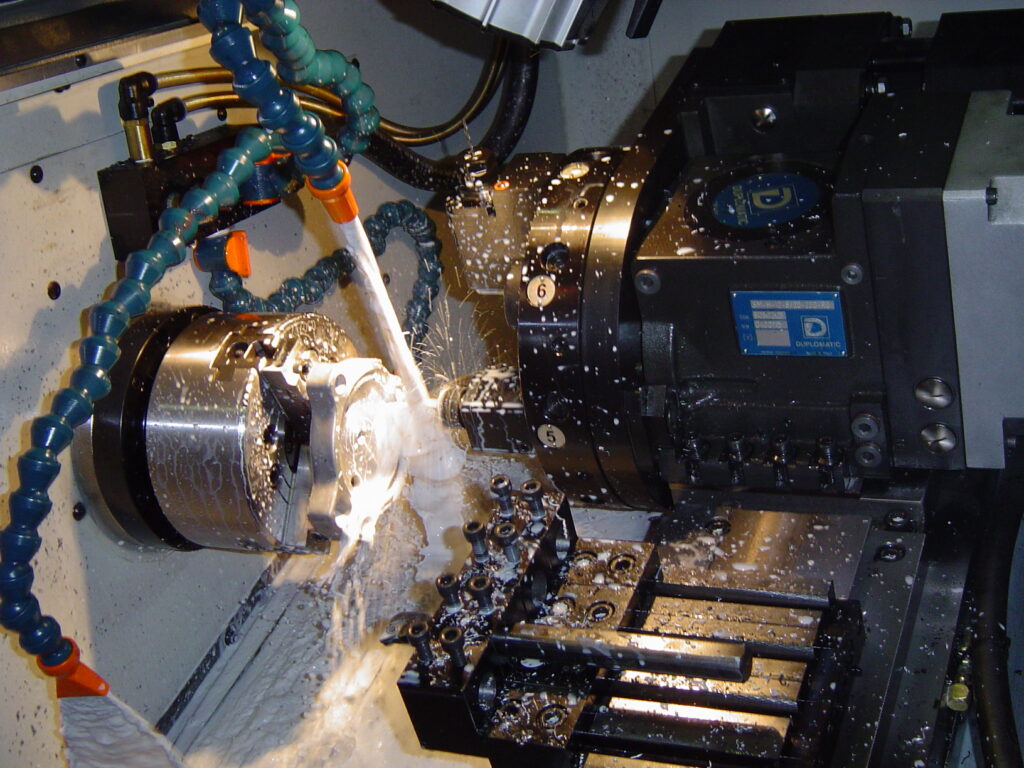
Analysis of Three Major Coolant / Cutting Fluid Types
Commercial coolants are divided into three major types by composition, each with different cooling and lubrication characteristics and suitable applications:
- Composition: Pure mineral or synthetic oil, no water
- Properties: Strongest lubrication, thick oil film, but poor cooling performance
- Applications: Low-speed, heavy load — broaching, deep-hole drilling, thread turning, gear machining
- Composition: Oil + water + emulsifier; milky white appearance
- Properties: Combines oil's lubrication with water's cooling; highest versatility
- Applications: Rough and finish machining of general steel and cast iron; most common in factories
- Composition: Little or no mineral oil; clear to semi-transparent appearance
- Properties: Excellent cooling, strong penetration, resistant to degradation and odor
- Applications: High-speed cutting, grinding, environments with strict fluid quality management requirements
Selection Guide by Workpiece Material
Different materials vary in thermal conductivity, work-hardening tendency, and affinity with cutting tools. Coolant selection must correspond to the material's characteristics:
| Workpiece Material | Material Characteristics | Recommended Coolant | Key Consideration |
|---|---|---|---|
| Aluminum Alloy | Prone to built-up edge; high thermal conductivity | High-oil emulsion | Requires strong lubrication to prevent aluminum chips from adhering to the cutting edge and forming built-up edge |
| Stainless Steel | Severe work hardening; very low thermal conductivity | Extreme-pressure emulsion (with EP additives) | Heat concentrates at the tool tip; sulfur/chlorine EP additives protect the cutting edge and prevent chipping |
| Cast Iron | Powdery chips; self-lubricating properties | Full-synthetic or semi-synthetic (low concentration) | Focus on flushing dust and rust prevention; excessive concentration causes sludge buildup and blockage |
| Alloy Steel / High-Hardness Metal | High cutting force; high frictional heat | Extreme-pressure emulsion | Balanced cooling and EP lubrication to prevent tool chipping and surface burn |
| Copper Alloy | Prone to oxidation discoloration | Non-active cutting oil / fluid | Must use "active sulfur-free" products to prevent the workpiece surface from oxidizing and blackening |
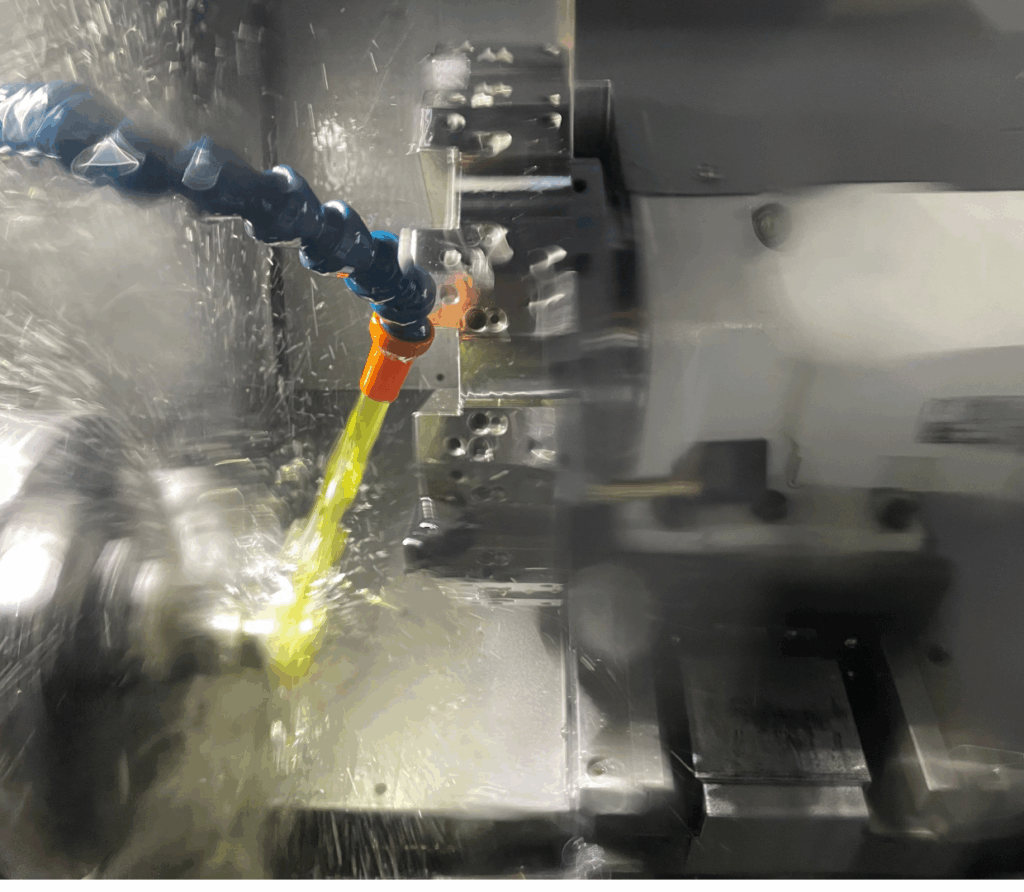
Beyond material-based selection, concentration management and temperature maintenance are equally important — too low provides insufficient protection; too high promotes sludge and accelerates degradation. Regularly checking concentration with a refractometer is the simplest and most effective way to maintain coolant quality.
-
1Identify the Workpiece Material First, Then Choose the Coolant Type Material properties (thermal conductivity, work hardening, oxidation tendency) determine the basic coolant requirements. Using the wrong type with special materials (e.g., copper alloy) can directly damage the workpiece appearance.
-
2Adjust Cooling vs. Lubrication Balance by Operation The same machine may perform both rough and finish operations. Select coolant based on the primary operation and fine-tune the cooling-to-lubrication balance through concentration adjustment.
-
3Coolant Quality Maintenance and Odor Prevention Are Equally Important Even the best coolant will degrade if poorly managed — tramp oil contamination breeds anaerobic bacteria. Regular tramp oil removal and monitoring of pH and concentration are the fundamental ways to extend coolant life.