Types of Common Dangers When Operating a CNC Lathe
Before learning the operating rules, understand the three most frequent hazard types in CNC lathe environments — so you know what each safety rule is actually preventing.
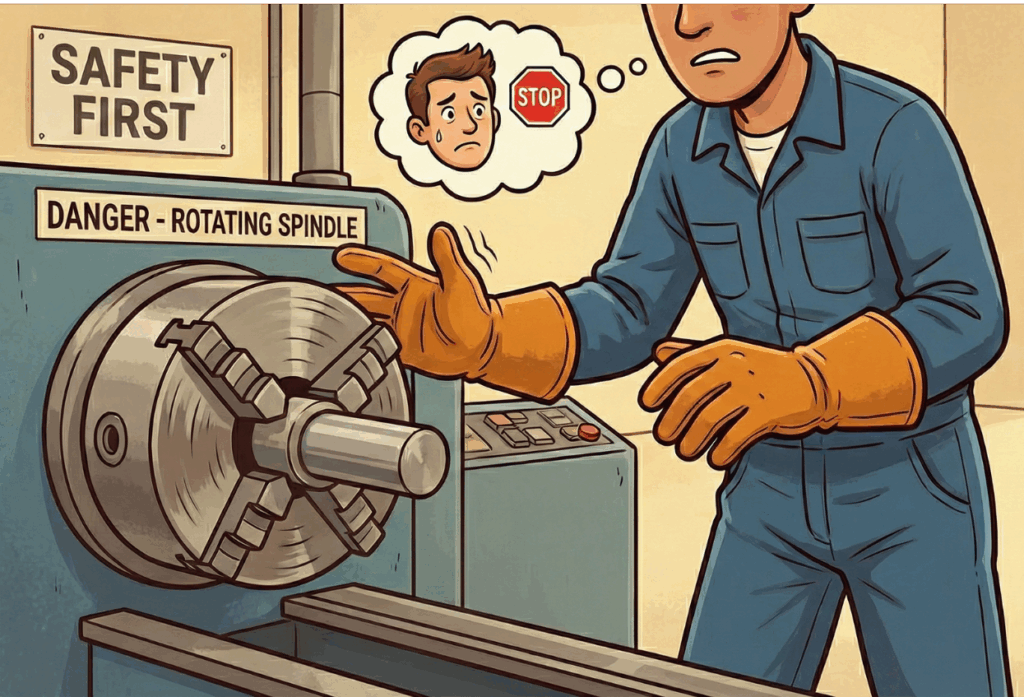
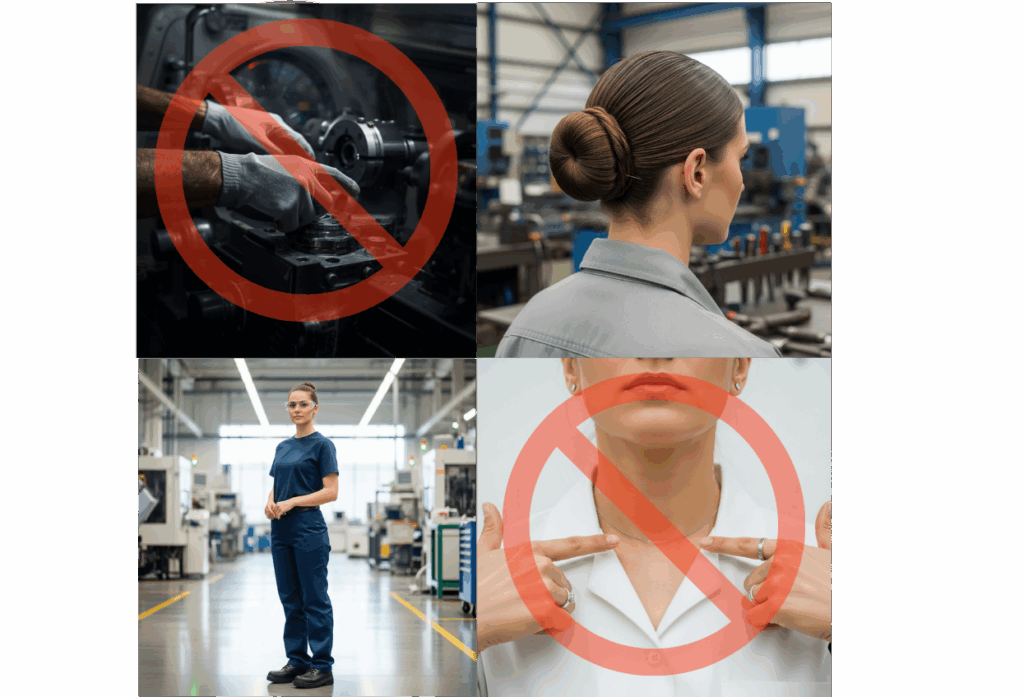
Operator Dress Code & Personal Protective Equipment
Clothing is the most common yet most overlooked safety hazard on the shop floor. Here is a clear comparison of what is prohibited versus what is required:
Pre-Operation Checklist & In-Process Safety Rules
The verification steps before starting the machine, and the behavioral rules that must never be violated during machining, form the critical defense line against the vast majority of factory accidents.
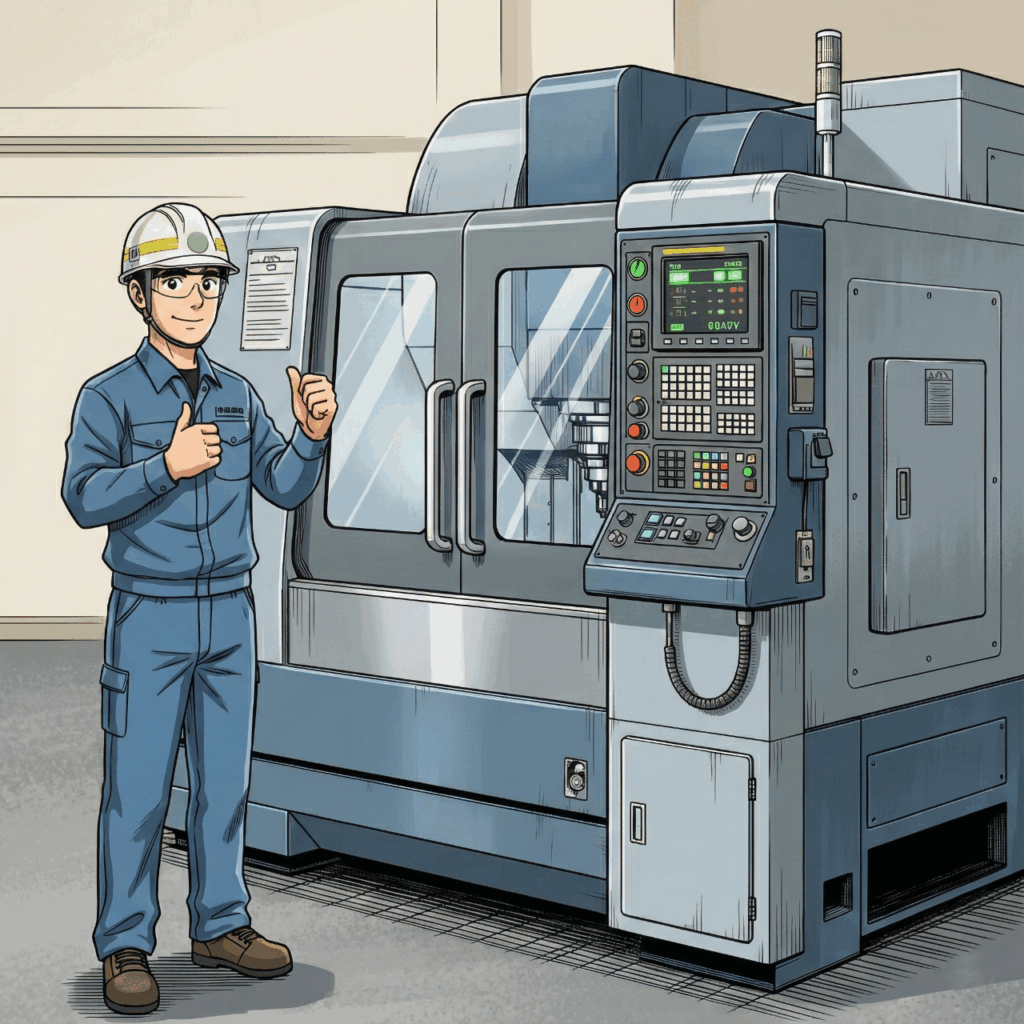
Pre-Operation Mandatory Checks:
-
Workpiece Clamping VerifiedBefore starting the spindle, confirm adequate clamping pressure and that the chuck is fully locked to prevent workpiece ejection during high-speed rotation
-
All Safety Guards ClosedThe machining enclosure door, electrical cabinet door, and maintenance panels must all be fully closed; the safety interlock must never be bypassed in any way
-
Tool Offset ConfirmedVerify all tool length offsets have been entered correctly to prevent a crash on the first part due to mismatch between program and actual tool length
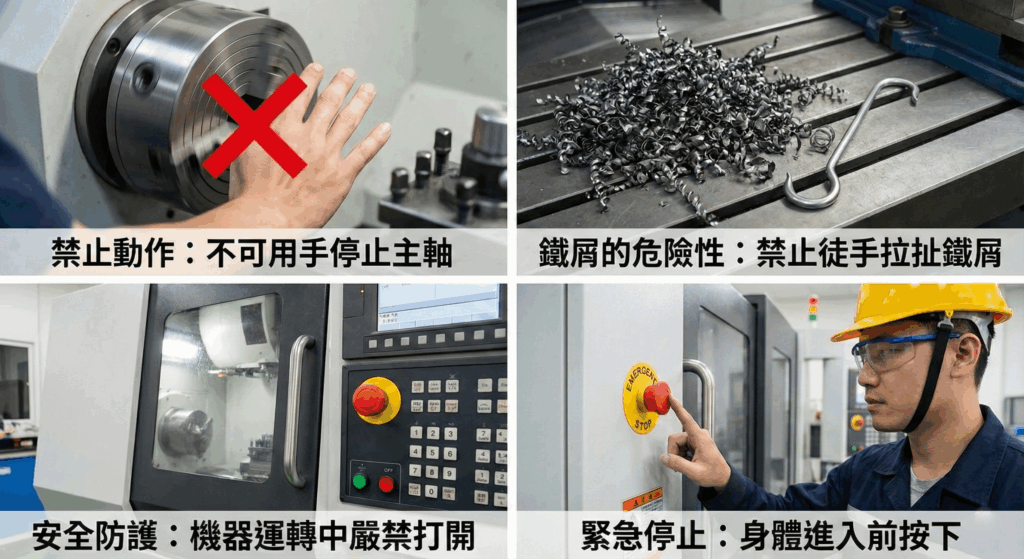
Strictly Prohibited During Machining:
-
Stopping the Spindle by HandNever use your hand to forcibly stop a rotating chuck; the inertial force far exceeds expectations. Always wait for the machine to come to a complete stop
-
Measuring While the Spindle Is MovingWorkpiece measurement must only be performed after the spindle has completely stopped; even 0.1 seconds of dynamic contact can cause injury
-
Opening the Guard Door During OperationNever open the machining enclosure door while the machine is running; if you detect unusual noise, abnormal vibration, or an operating error, press the emergency stop immediately
-
Pulling Chips with Bare HandsTurning chips are sharp and hot; fully stop the machine and wait for the chuck to be stationary before removing chips with a dedicated hook or brush
-
Entering the Machining Zone Without Pressing E-StopWhenever your body must enter the machining or maintenance zone, press the emergency stop first to ensure the machine cannot activate for any reason
Machine Safety Certifications Explained: CE & TS Marks
Beyond operator procedures, the machine's own safety design is equally critical. When purchasing equipment, CE and TS marks are not just stickers — they are legally binding commitments to human safety.
- Compliant with EU Machinery Directive, Low Voltage Directive, and Electromagnetic Compatibility Directive
- Rigorous electrical safety circuit design and safety guard strength testing
- Noise control standards meet EU regulatory requirements
- A mandatory requirement for export to the EU market and a symbol of international trust
- In Taiwan, regulated machinery (including CNC lathes and machining centers) must carry the TS Mark to be legally sold and operated
- Safety functions including emergency stop and guard interlocks must pass third-party verification
- Purchasing machines without a TS Mark exposes employers to substantial liability and criminal penalties
- All AEGIS CNC machine models are TS Mark certified