What Is a CNC Lathe? The Origin of "Mother of Machine Tools"
Many people, upon hearing "lathe" for the first time, may associate it with "lath" (a thin strip of wood) or "lather" (soap foam) due to the similar pronunciation. In fact, neither has anything to do with a lathe.
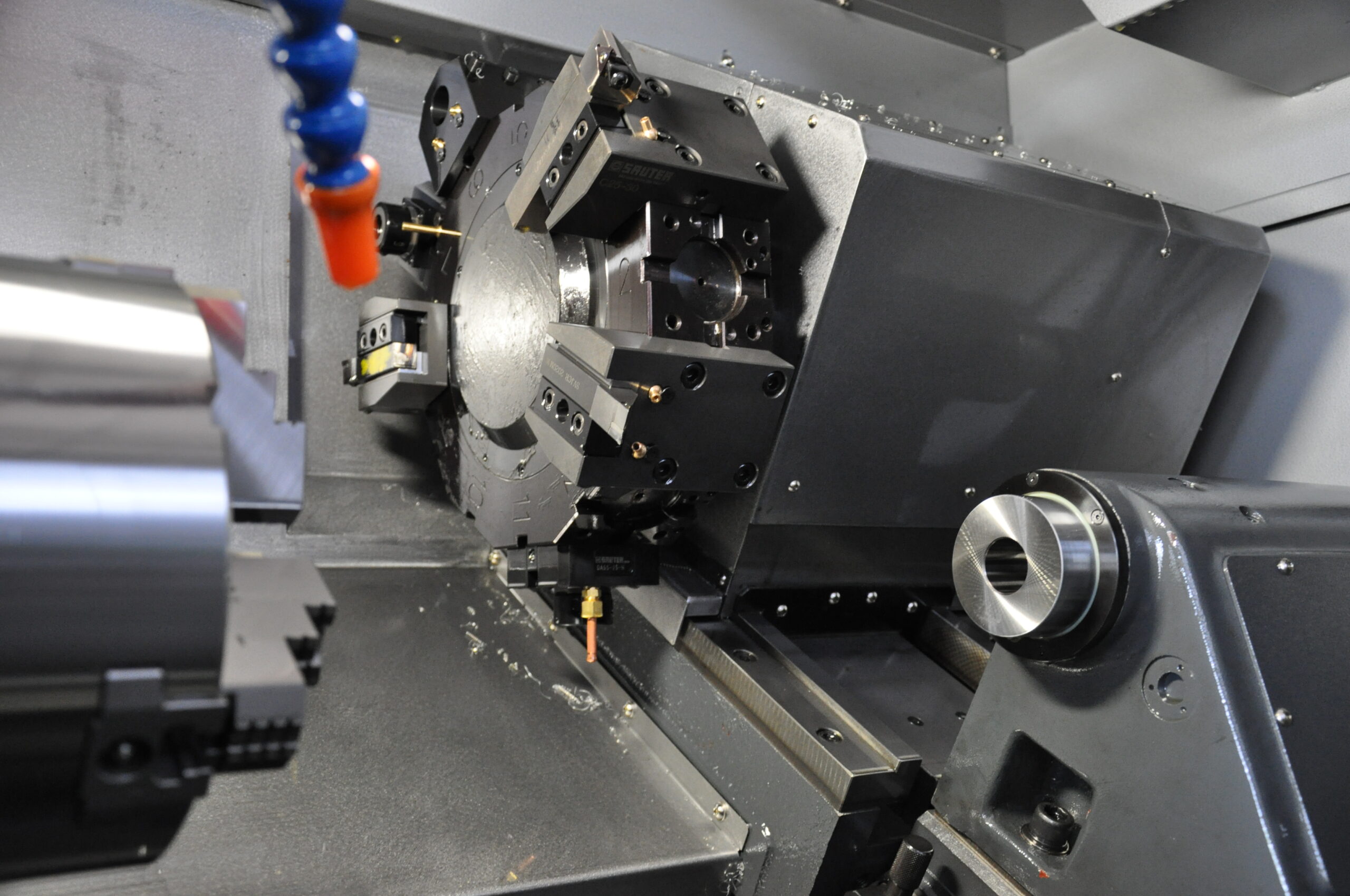
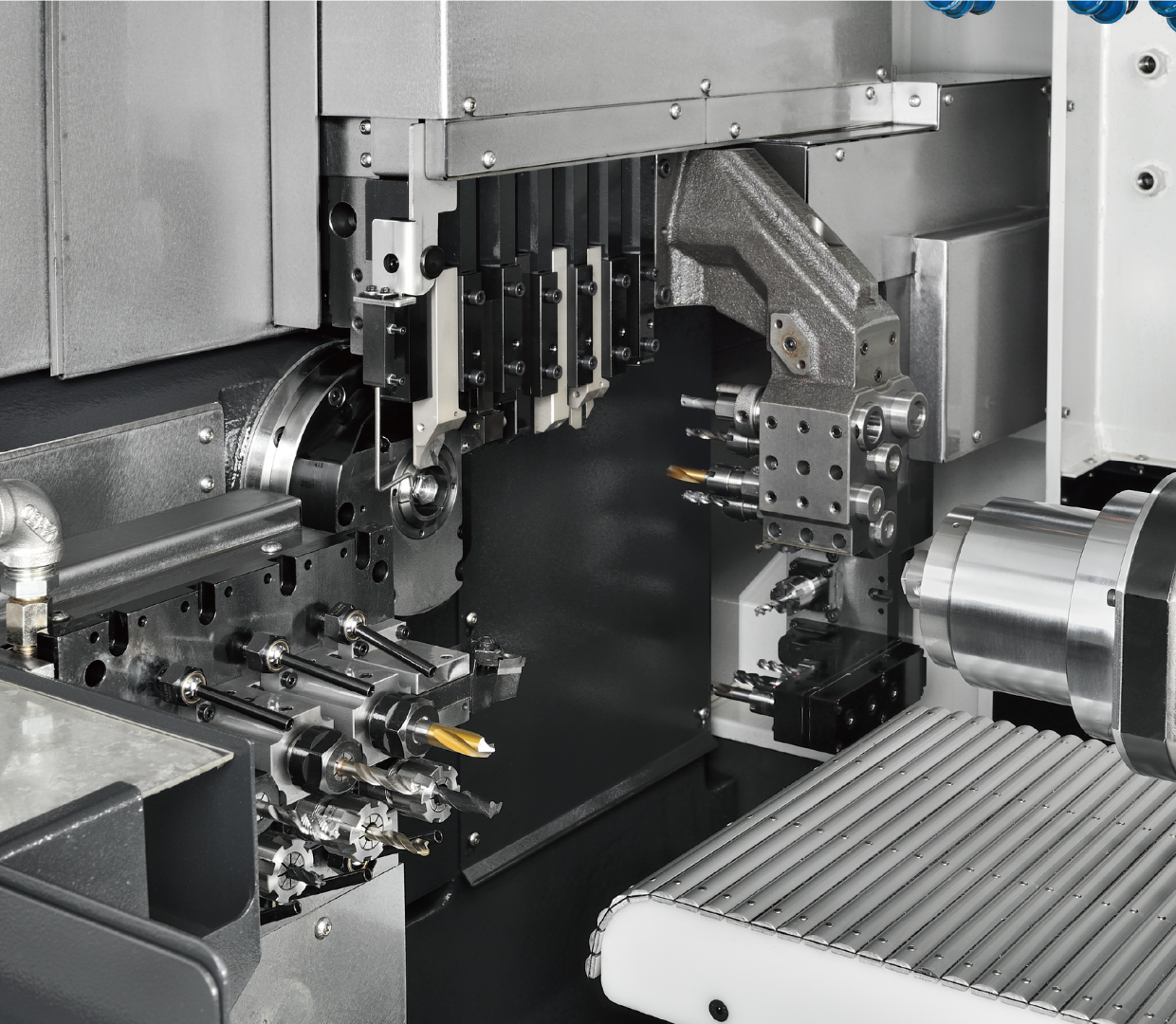
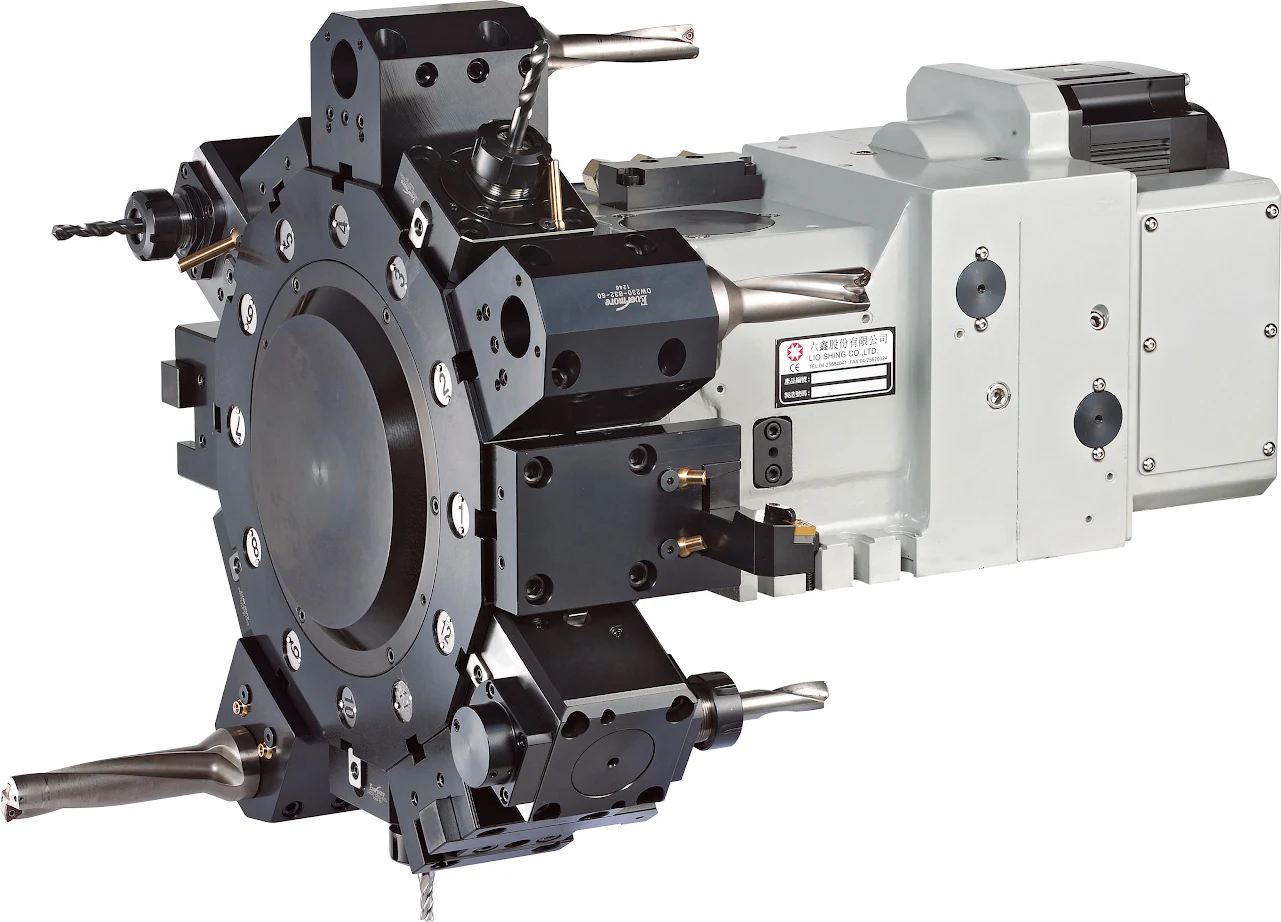
The CNC Lathe is the most esteemed and widely used equipment in the metalworking field, earning the title "Mother of Machine Tools." This title comes from the fact that the key components of almost every other machine tool must first be machined by a lathe.

Turning Principle: Workpiece Rotates, Tool Moves
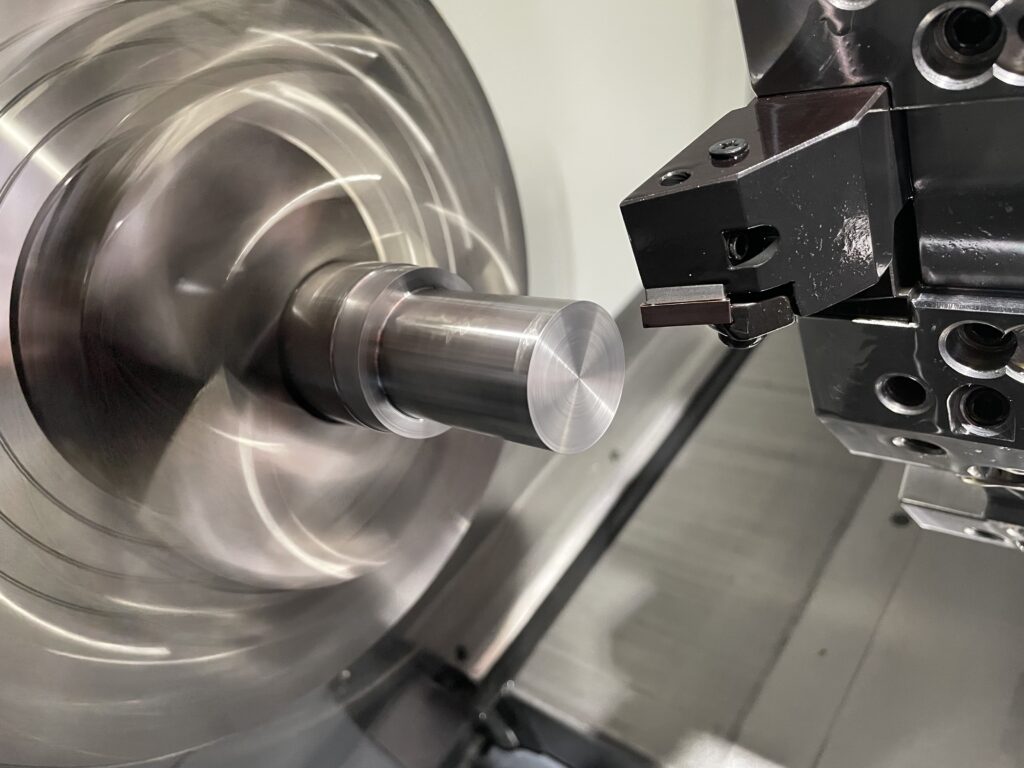
To understand the CNC Lathe, you first need to understand the basic principle of "Turning." Imagine a pottery wheel — the clay (workpiece) rotates while your hands (the tool) shape it. A lathe works on the same principle.
The CNC Lathe is primarily used to machine cylindrical metal workpieces — this is the fundamental difference between it and milling machines, drilling machines, and other machine tools. By precisely controlling the cutting depth and feed speed of the tool, the outer diameter, length, and surface roughness of the workpiece can be accurately controlled.
CNC Lathe Applications: Products You See Every Day
Almost every round metal part you encounter in daily life originates from a lathe. From automotive and medical to semiconductor industries, lathe-made products are everywhere:
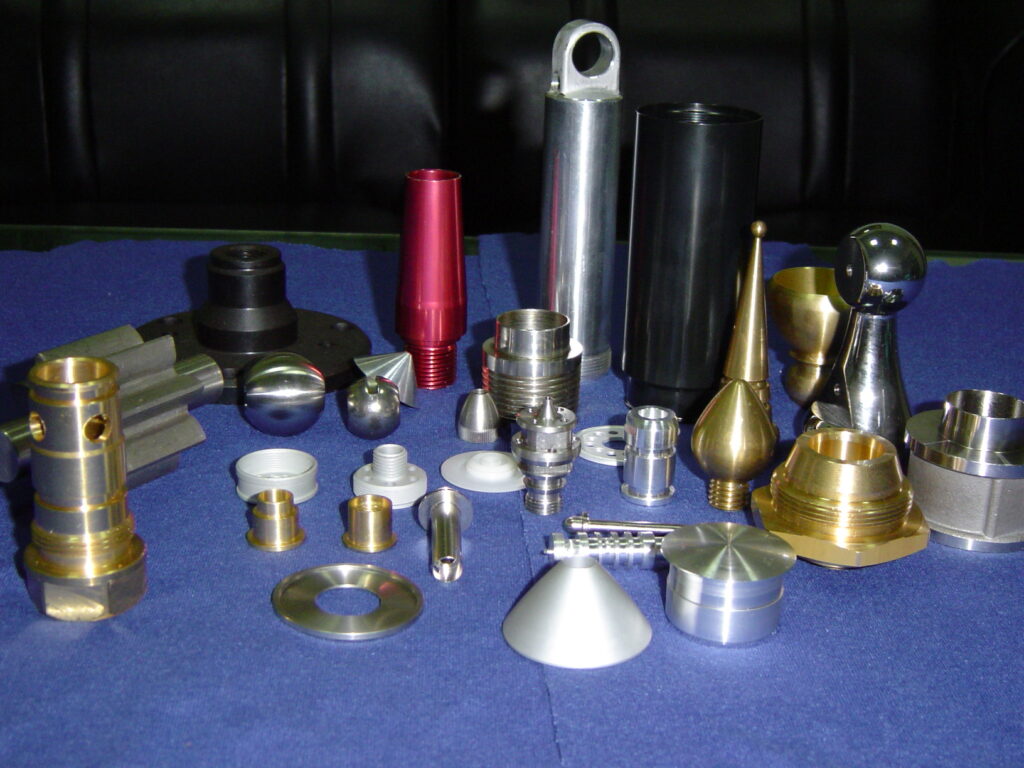
AEGIS CNC Lathe Machined Parts Examples
From Conventional Lathe to CNC Precision Machining
Early conventional lathes required a skilled operator to manually control handwheels to guide the cutting tool. This relied heavily on the operator's experience and skill, making precise control difficult and mass production impossible.
The mainstream of modern manufacturing is the CNC Lathe (Computer Numerical Control Lathe). Through programmed code instructions, the machine can automatically execute complex cutting paths with extremely high precision (micron-level), greatly reducing human error.
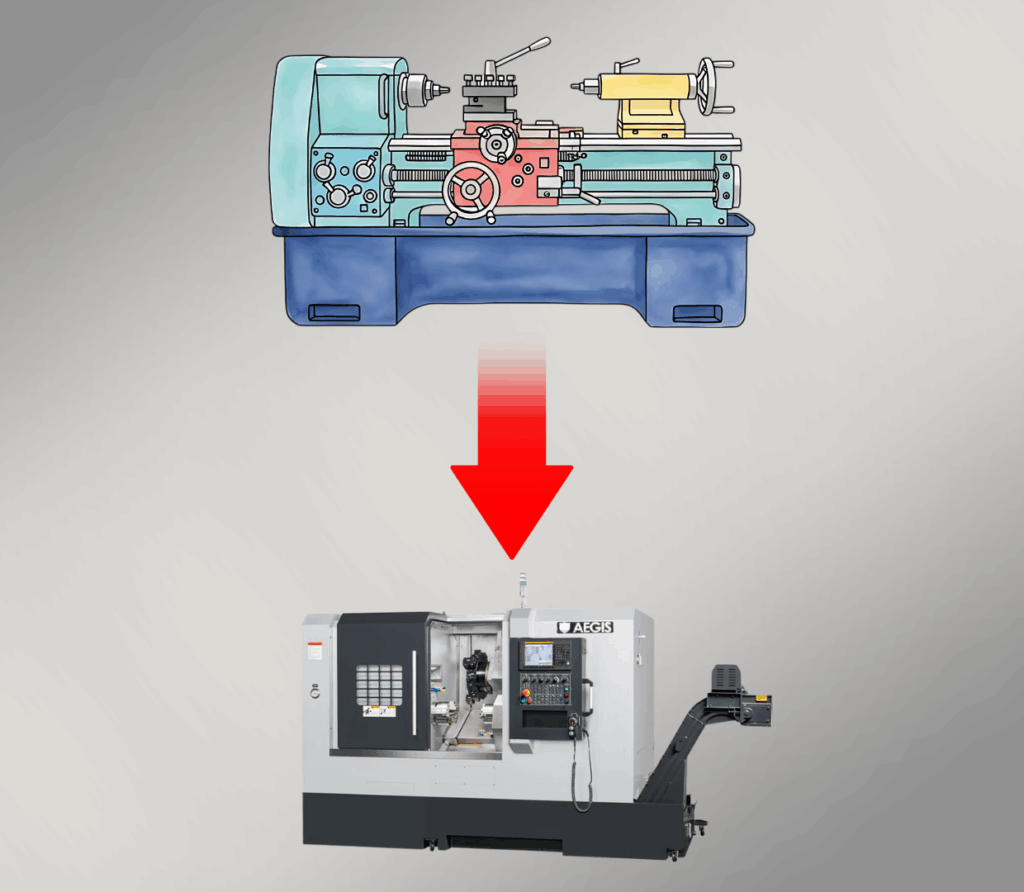
Combined with Bar Feeder Systems, robotic arms, and other automation equipment, CNC lathes can achieve highly repeatable, high-precision, high-efficiency unmanned production.
From the skilled craftsman's two hands to today's micron-level computer control — this is the hundred-year evolution of the lathe, and the direction AEGIS CNC continues to pursue.