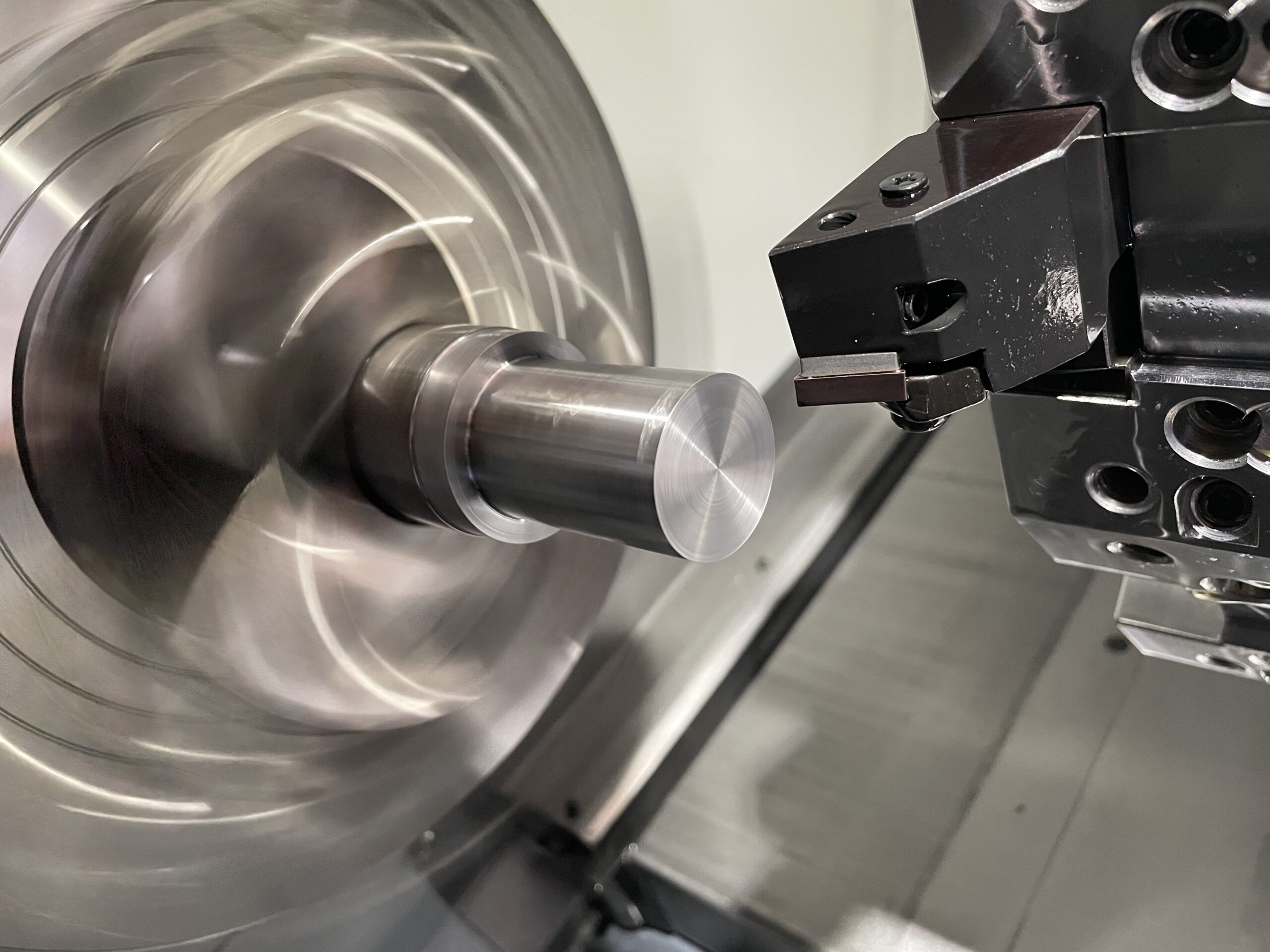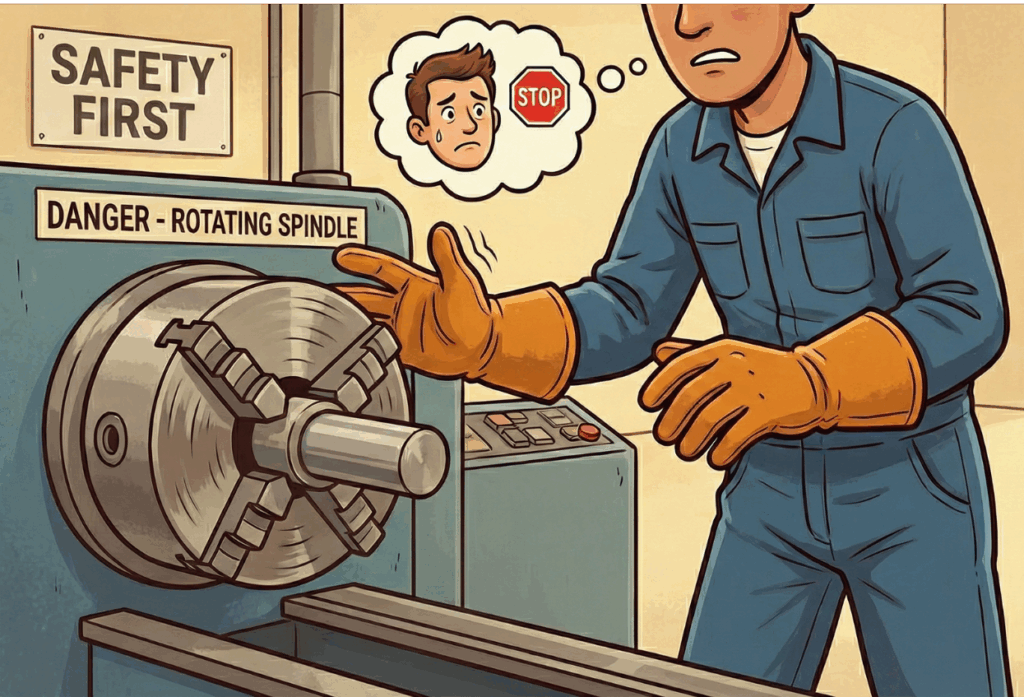
What Is a Chuck (Jaw Chuck)?
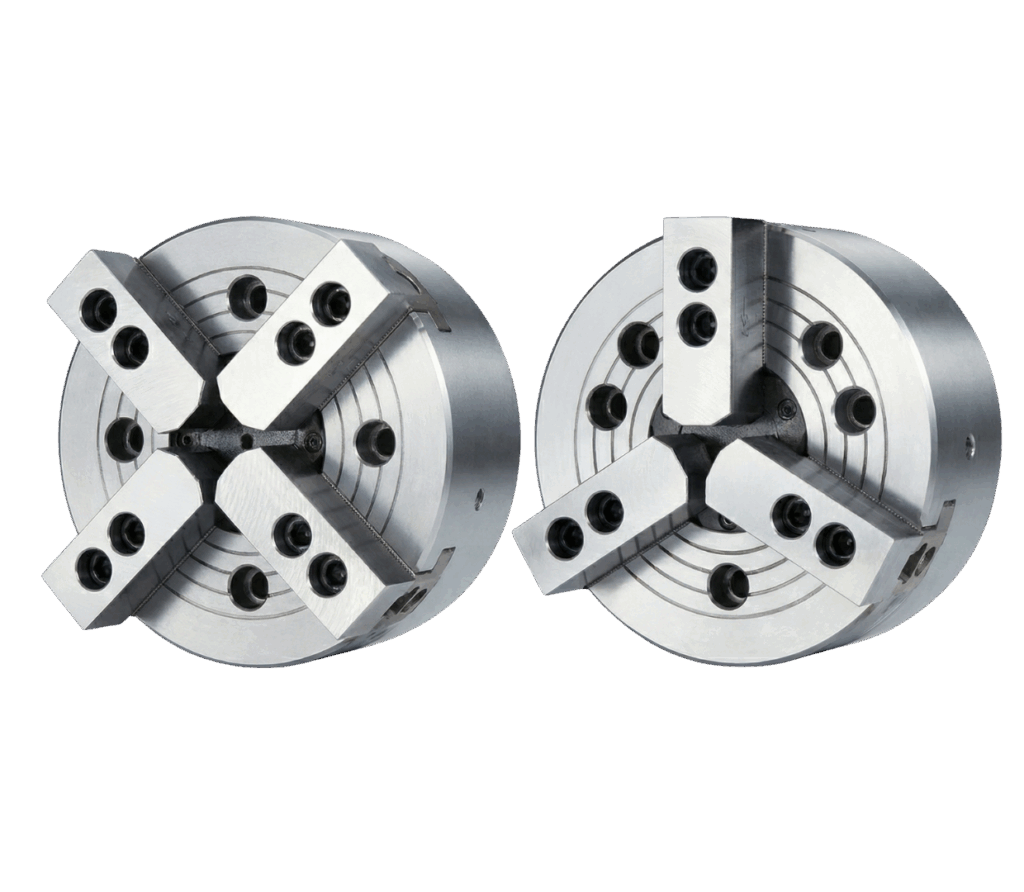
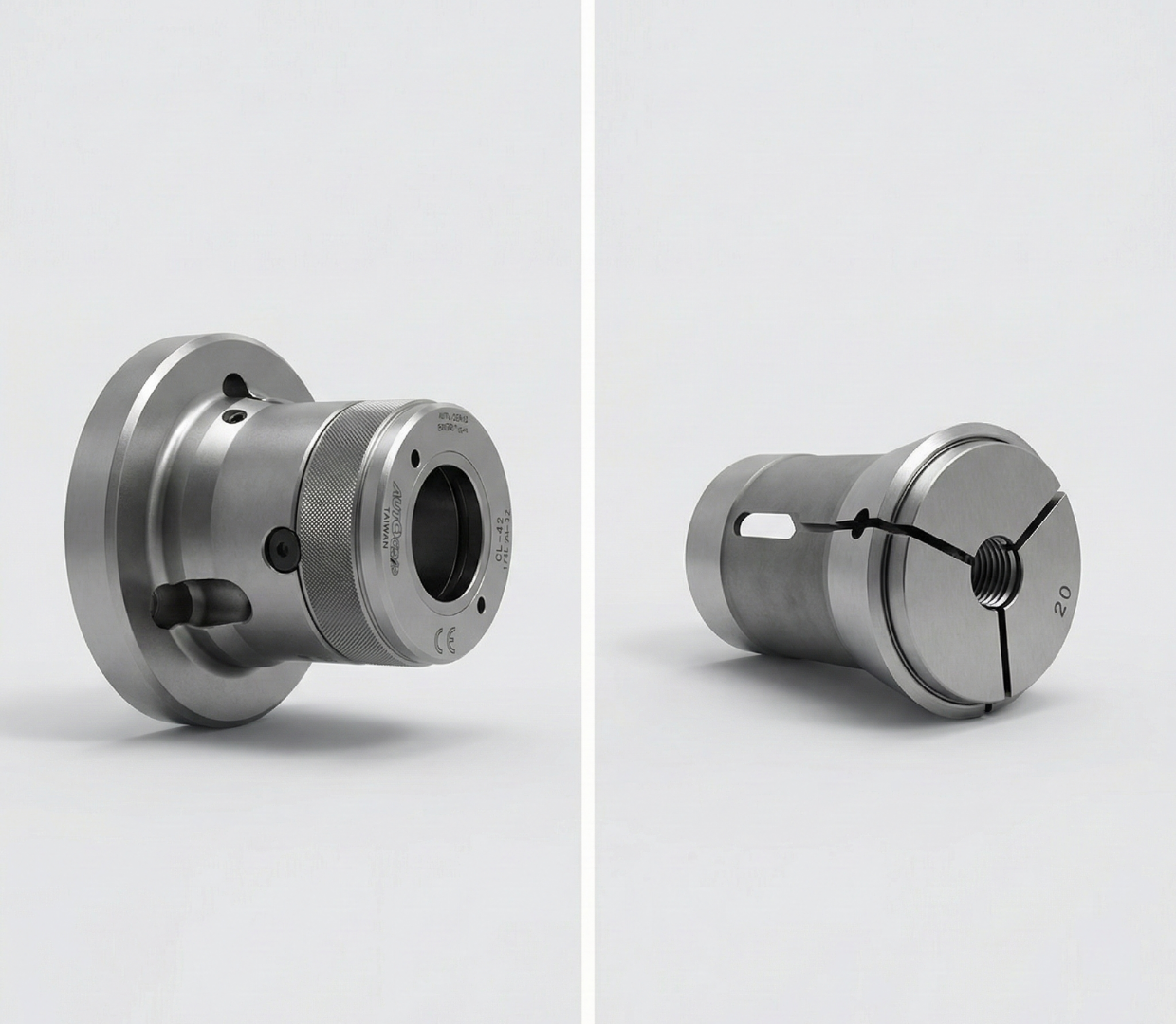
The chuck is the most common standard workholding device on a CNC lathe — typically a hydraulic 3-jaw or 4-jaw chuck. Hydraulic pressure drives an internal wedge mechanism that moves the jaws simultaneously toward the center to clamp the workpiece. Jaws come in two types: hard jaws and soft jaws (machinable jaws) that can be bored to suit specific diameters.
Four Core Advantages of Chucks:
-
Wide Clamping Range (High Versatility)One chuck set can clamp workpieces from 10mm to over 100mm diameter by adjusting jaw position — unlike collets where a 1mm difference requires a different collet
-
Handles Irregular ShapesWith custom soft jaws, a chuck can grip square, rectangular, or cast parts with complex profiles — extremely versatile
-
Suited for Large-Diameter WorkpiecesFor discs or short stubby parts over 65mm diameter, the chuck is the only practical option
-
More Face-Machining ClearanceThe chuck design provides greater clearance at the face, suited for workpieces requiring multi-directional access
What Is a Collet?
A collet is a cylindrical clamping sleeve made from spring steel with longitudinal slits along its surface. It operates on the taper principle: when the draw tube pulls back, the collet is drawn into a tapered sleeve, compressing it inward to grip the workpiece in a 360-degree full-contact clamp, distributing clamping force evenly across the entire workpiece circumference.
Four Core Advantages of Collets:
-
Exceptional Repeatability360-degree contact clamping delivers outstanding concentricity within 0.01mm, ideal for high-precision secondary operations
-
Higher Spindle Speed CapabilityLightweight and compact, collets are minimally affected by centrifugal force — well suited for high-speed cutting above 5,000 RPM
-
No Surface MarkingClamping force distributes evenly around the circumference without leaving jaw marks, suitable for thin-wall tubes or pre-finished surfaces
-
Extremely Fast Bar-Change SpeedOpen/close stroke of only ~1–2mm; when paired with a bar feeder, changeover time is minimal, greatly shortening cycle time
Chuck vs. Collet: Core Comparison
The key performance indicators for both workholding systems are compared side-by-side below for quick reference:
| Comparison | Chuck (Jaw Chuck) | Collet |
|---|---|---|
| Clamping Principle | Point/face contact (3-point clamping) | 360° full-contact clamping |
| Clamping Accuracy (Concentricity) | Moderate (depends on soft jaw boring quality) | Excellent (within 0.01mm) |
| Applicable Diameter Range | Wide (small to large) | Narrow (typically < 65mm) |
| Size Flexibility | High (one jaw set covers multiple sizes) | Low (dedicated collet needed per size) |
| Maximum Spindle Speed | Low-medium (high centrifugal effect) | High (minimal centrifugal effect) |
| Workpiece Surface Protection | Poor (leaves jaw marks) | Excellent (no marking) |
| Irregular Shapes | Yes (with custom soft jaws) | No (round cross-section only) |
| Changeover Speed | Slow (soft jaw boring required) | Fast (collet swap is quick) |
How to Choose: Quick Decision Guide for Three Scenarios
With a clear understanding of chucks and collets, the following three decision dimensions will help you quickly narrow down your choice: